Emile Otto Hoppé (1878-1972) was a leading photographer of the early part of the twentieth century. He first moved to London in his early twenties as part of his training to be a financier, but by this time was already gaining a reputation as a gifted photographer. In 1907 he abandoned his banking career and set up a portrait studio. He photographed Annie in 1929.

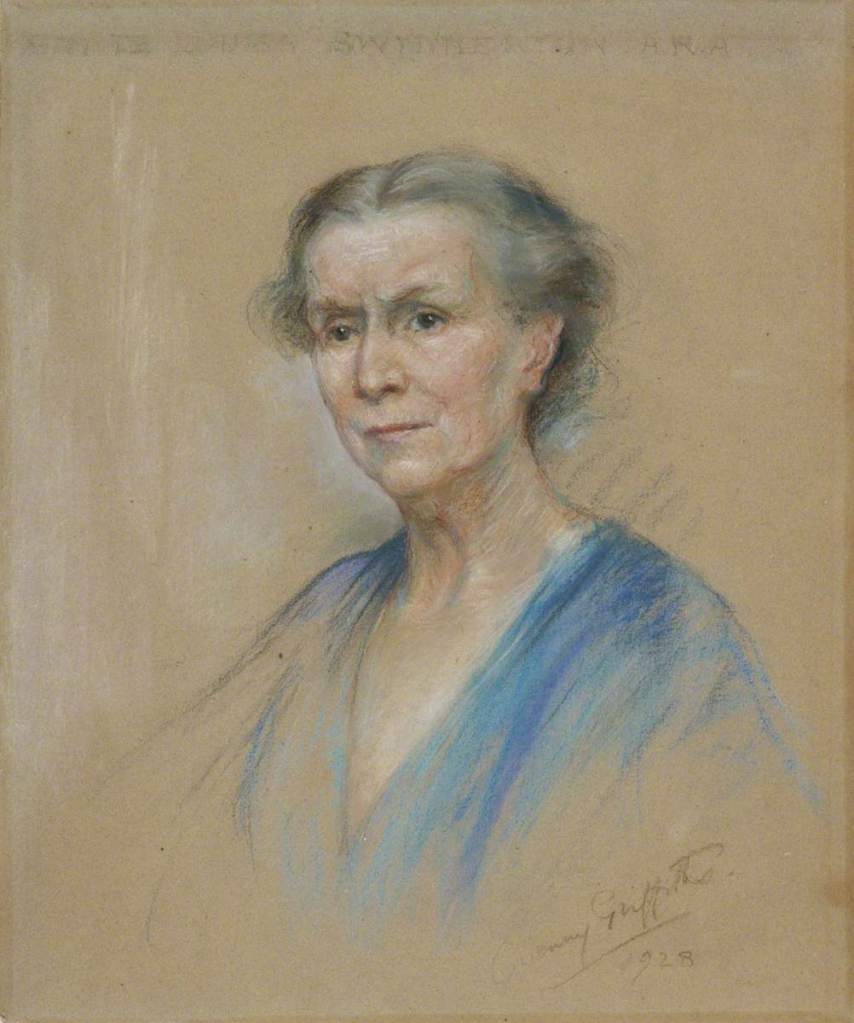
The photographs show how accurately Gwenny Griffiths captured Annie’s features in her portrait made only a year earlier.
There is a parallel with Annie’s work in that for many years that of Hoppé was largely forgotton, although in his case it was because his images were ‘lost’, scattered amongs many other images in a commercial archive not accessible to the public. Thankfully they were later collated, combined with other material from his surviving family, and now form the E. O. Hoppé Collection.
He came to my attention recently simply because this image caught my eye in a 1907 publication, the catalogue of the Northern Photographic Exhibition, which was held that year at the Walker Art Gallery, Liverpool. It turned out to be by Hoppé, and titled ‘The Visitor.’
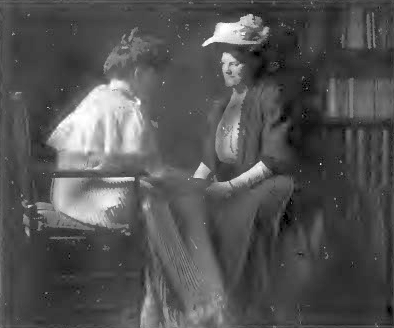
Like a good painting, a good photograph can capture something of the emotion of a moment or elicit a positive emotional response in the viewer – if the subject is of interest. I think it may have been Henri Cartier-Bresson who commented that no matter how technically accomplished or well executed a photoagraph is, if the subject is of no interest, then it is worthless.
There is a collection of Hoppé’s images, city scenes and portraits, at the Tate.
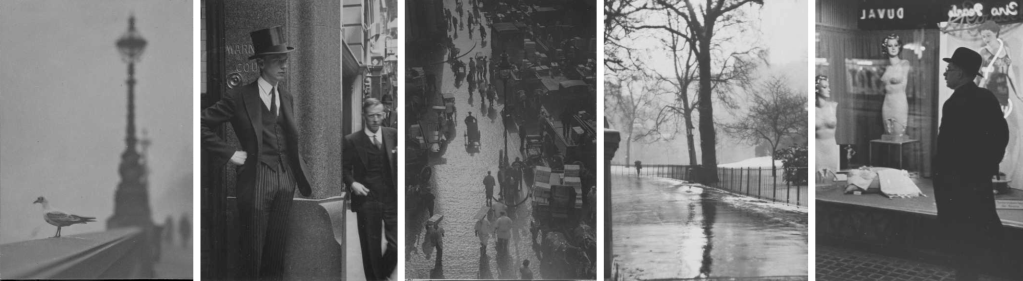
A few images by other photographers in the 1907 Catalogue mentioned above are shown below:
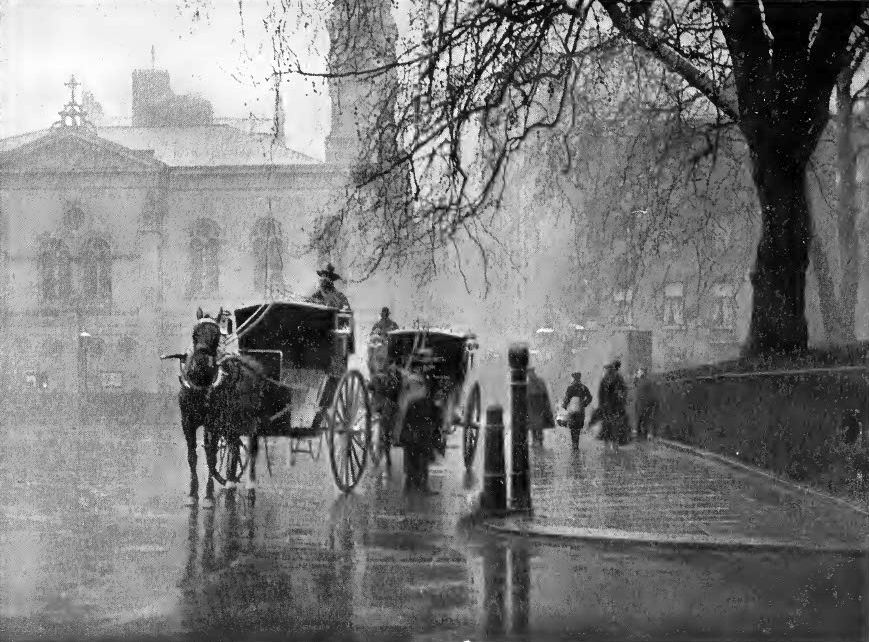

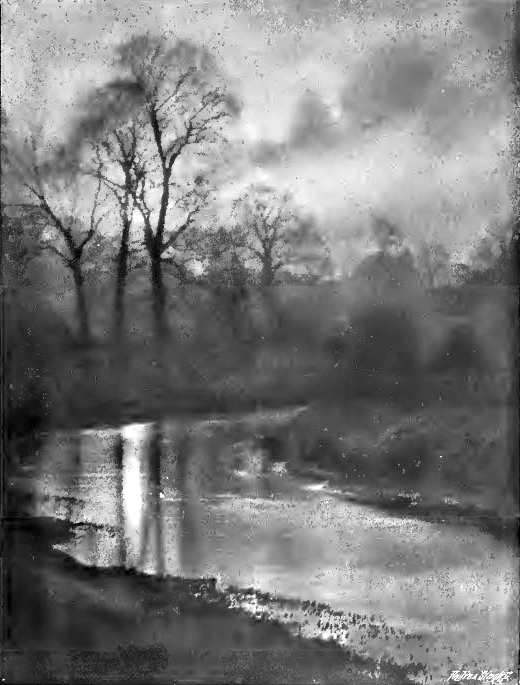


Photographers: J. Dudley Johnson ‘An Impression – The River Medlock‘, ‘An Impression – Liverpool‘. Dr J. Craig Annan ‘Miss Jessie M. Kina‘.
Page last updated 28 May 2025.
 ANNIE LOUISA SWYNNERTON and SUSAN ISABEL DACRE (1844-1933)